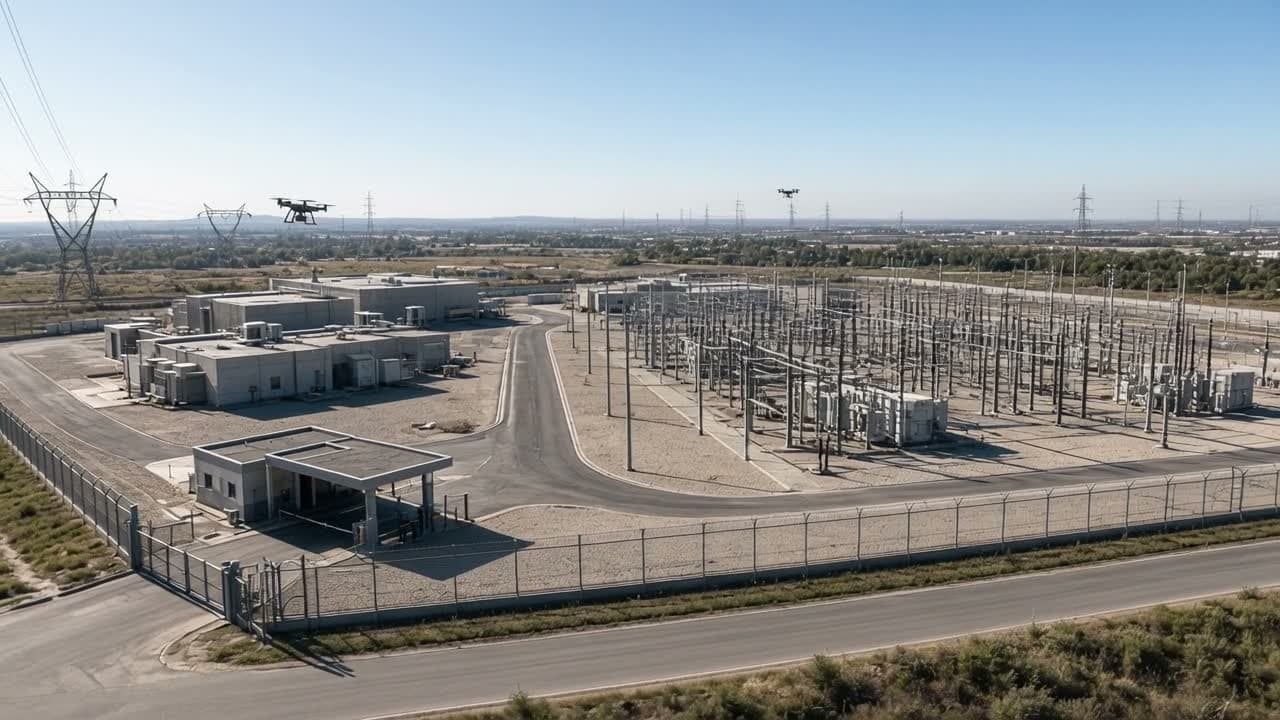
Critical Infrastructure Airspace Security
Critical Infrastructure Has a New Perimeter.
Power plants, substations, utilities, communications facilities and other critical assets are protected by layers of physical and cybersecurity.
But drones create an access channel those systems were never designed to monitor.
SkyLock-X adds persistent low-altitude airspace intelligence to existing security operations — detecting, classifying and analyzing drone activity before it becomes an operational or security incident.
Passive Detection · Drone Classification · Direction Finding · BeHave™ Intelligence · Sensor Integration
The Threat Doesn't Have to Cross the Gate
A Small Aircraft Can Reach What Ground Security Can't.
Critical infrastructure often contains exposed assets, sensitive operations and security procedures visible from the air.
An unauthorized drone does not need physical access to the site to create risk.
Reconnaissance
Observe facility layouts, exposed assets, security positions, personnel movements and operational procedures.
Persistent Surveillance
Return repeatedly to monitor operations, contractors, deliveries, maintenance activities or changes in security posture.
Access to Vulnerable Assets
Approach rooftop systems, electrical equipment, storage areas and other infrastructure that may be difficult to reach from outside the physical perimeter.
Payload Delivery
Bypass gates and fences to carry objects directly toward protected areas or sensitive equipment.
Operational Disruption
Trigger security responses, interfere with operations or create uncertainty around unexplained aerial activity.
Pre-Incident Intelligence
A drone flight may be an isolated event — or part of repeated reconnaissance occurring before another action.
The security challenge is not simply detecting a drone. It is understanding what the activity means.
Built for High-Consequence Environments
One Airspace Security Layer. Multiple Critical Environments.
SkyLock-X can be configured around the threat profile, geography and existing security architecture of each facility.
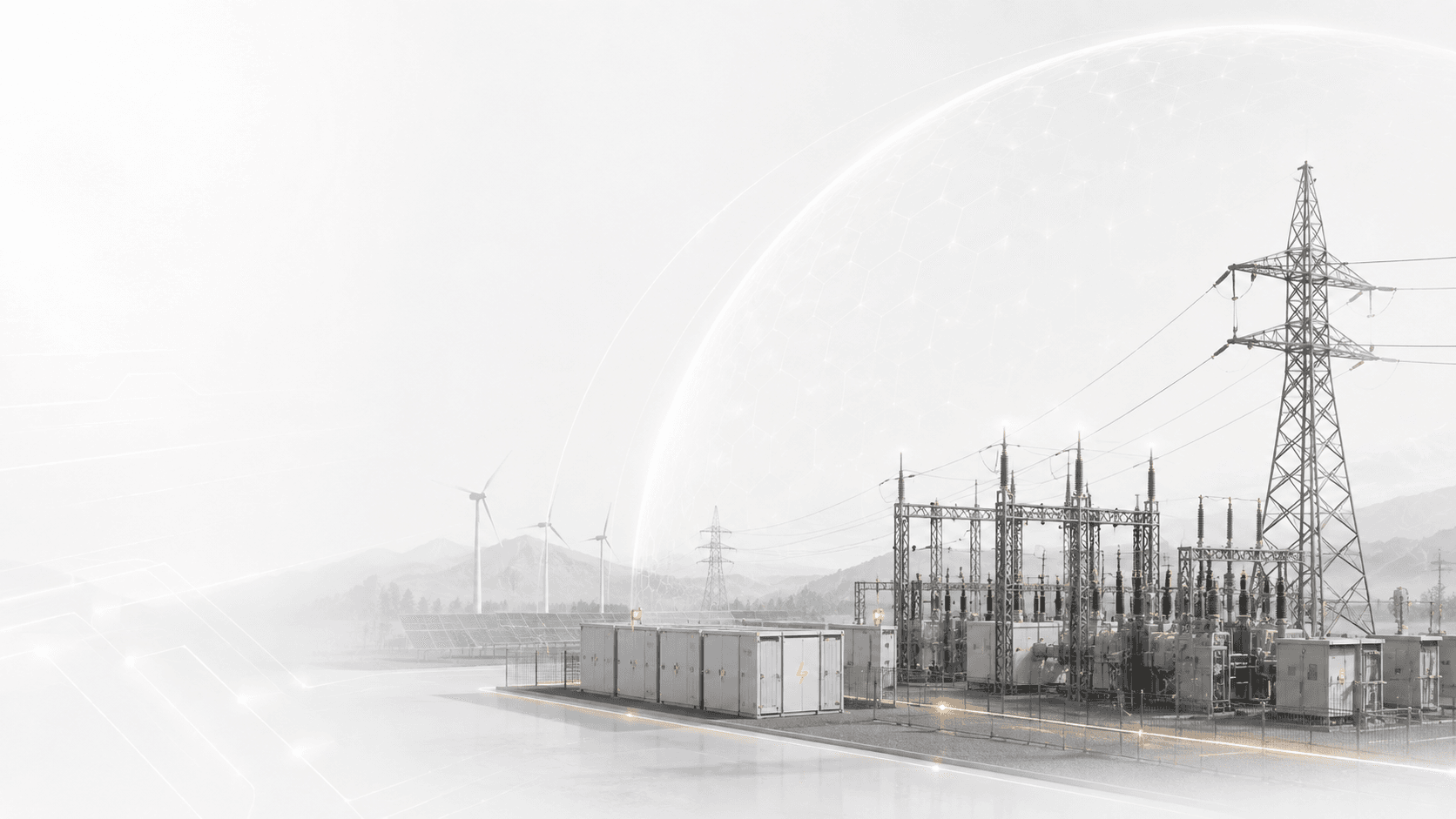
Energy & Utilities
Power generation facilities, substations, electrical distribution infrastructure, renewable energy sites and energy storage.
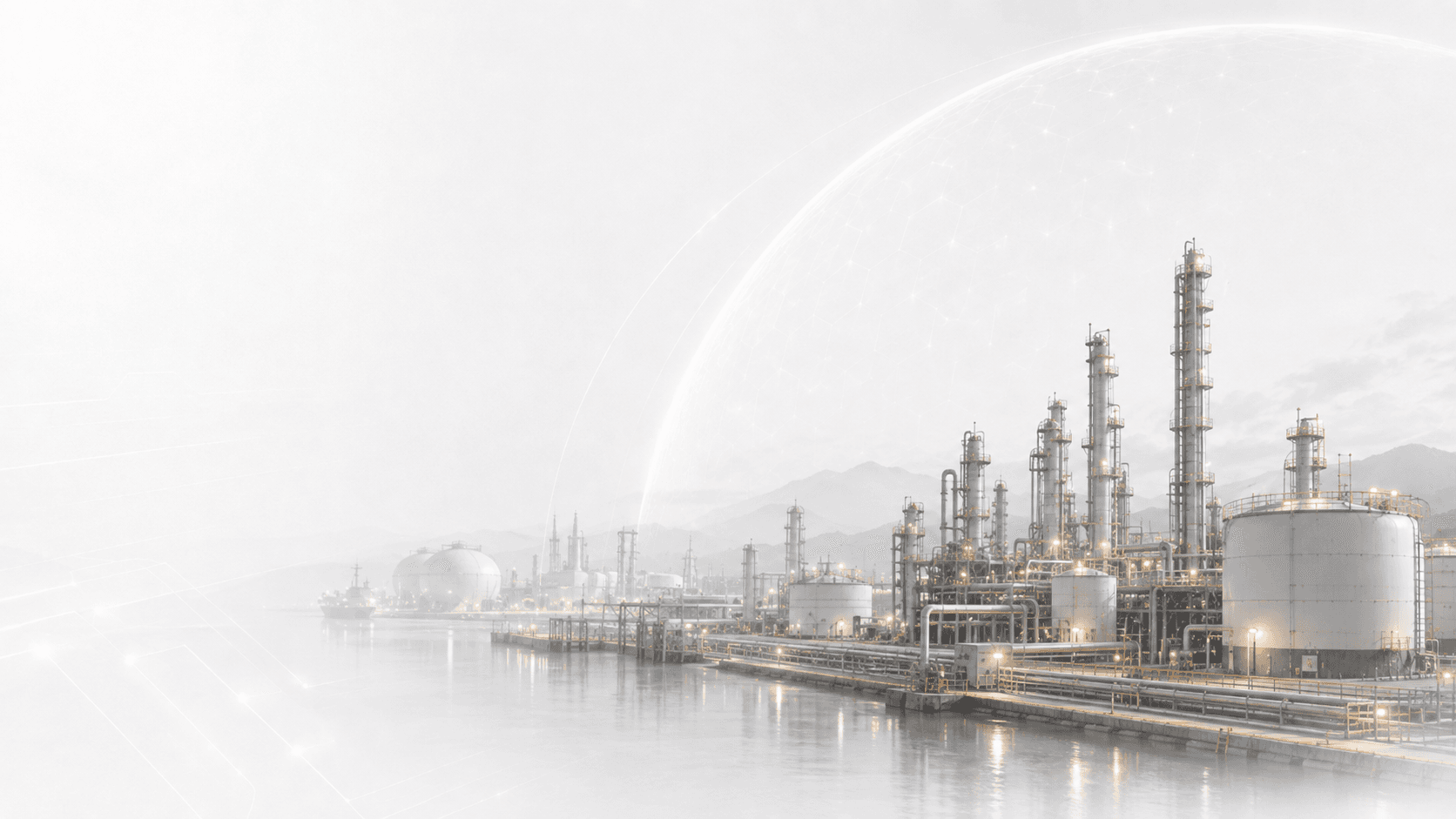
Oil, Gas & Chemical
Production facilities, refineries, terminals, storage infrastructure, pipelines and processing sites.
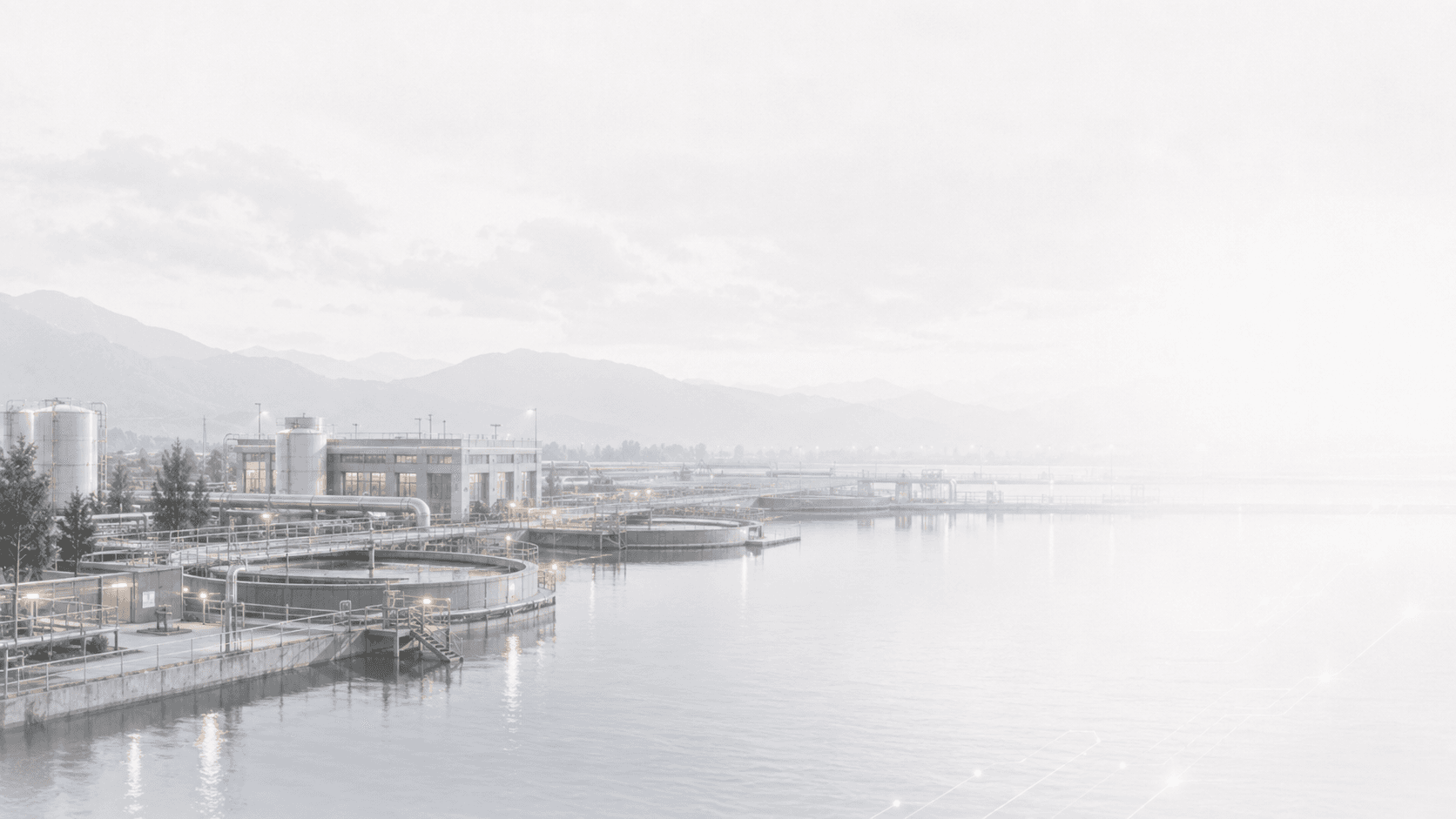
Water & Wastewater
Treatment plants, pumping infrastructure, reservoirs and other essential water-system assets.
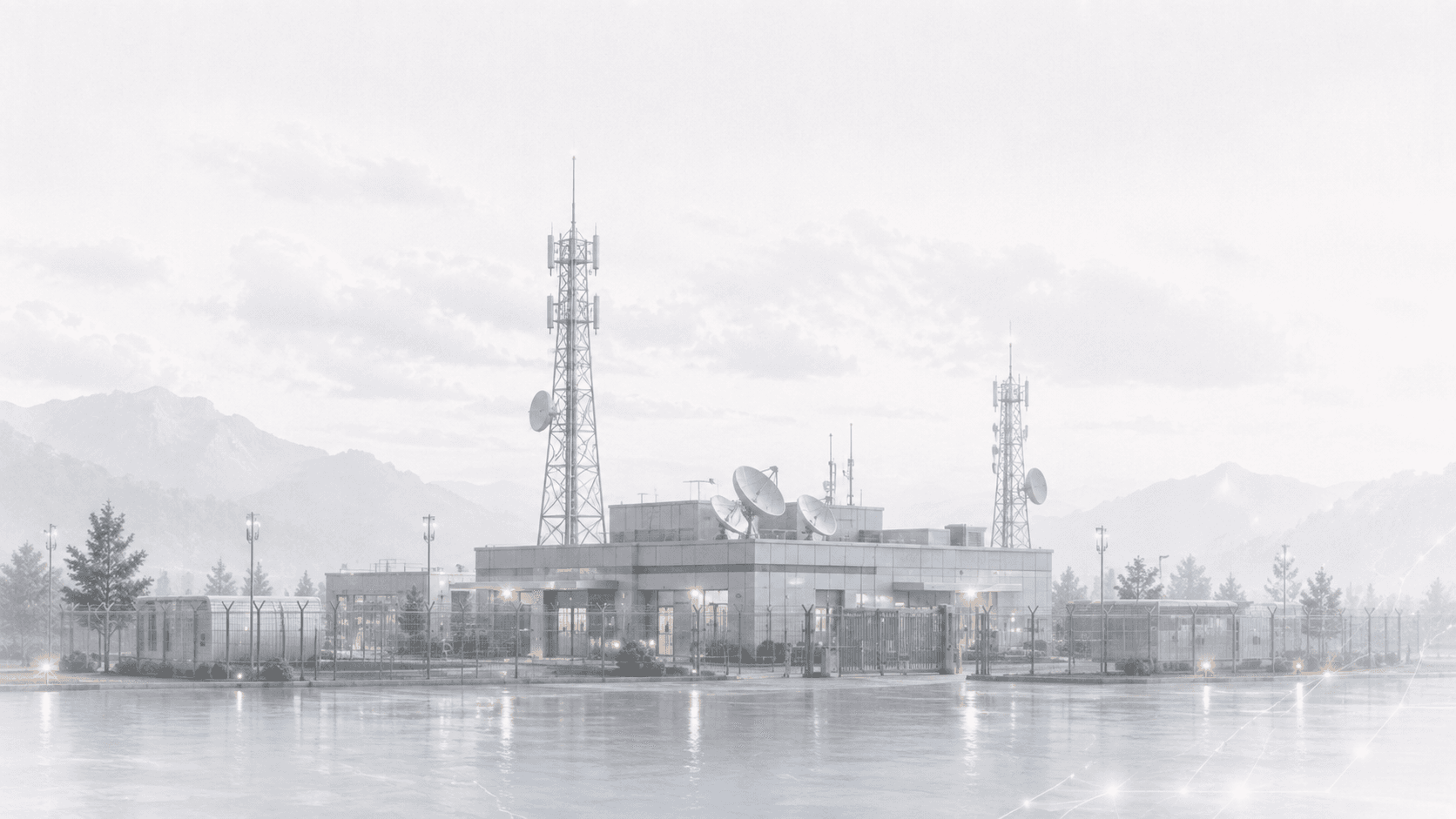
Communications Infrastructure
Telecommunications facilities, network infrastructure and other communications assets requiring persistent physical-security awareness.
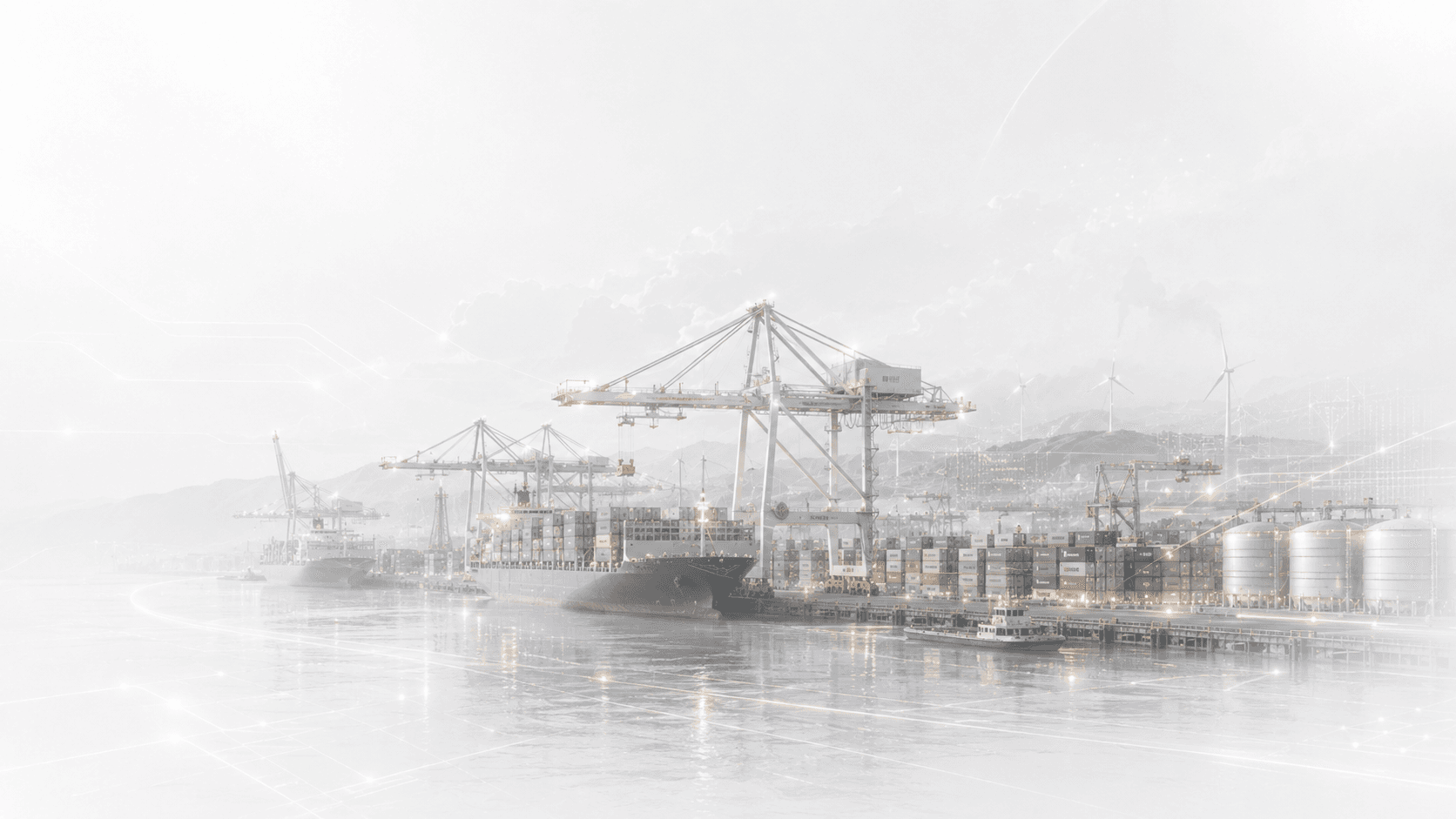
Ports & Maritime Infrastructure
Cargo terminals, port facilities, storage areas and maritime infrastructure with large, complex physical perimeters.
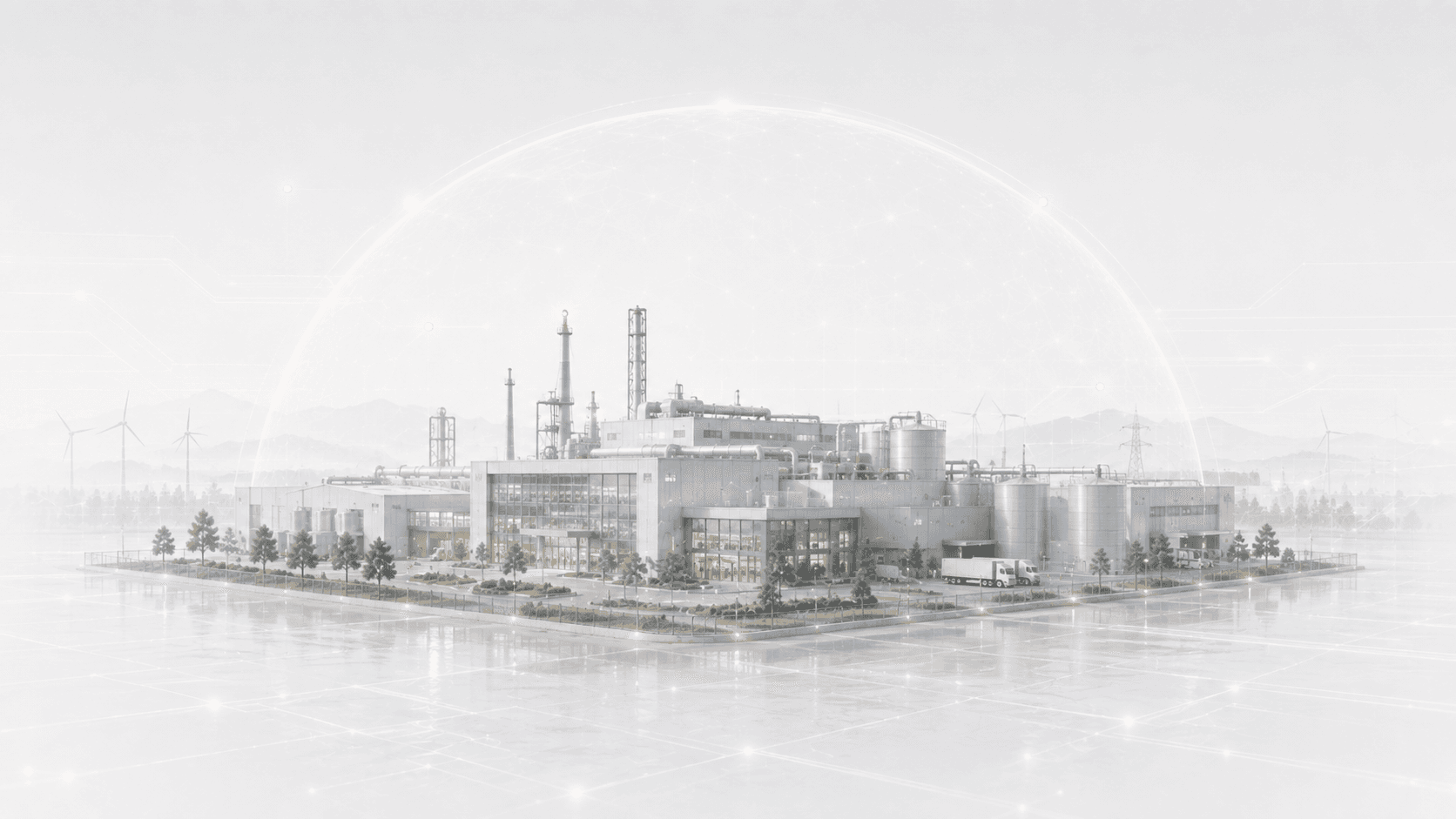
High-Consequence Industrial Facilities
Manufacturing, processing and specialized facilities where aerial surveillance or disruption can create significant operational consequences.
Know What Is Happening Above the Facility
Detect. Understand. Prioritize. Respond.
SkyLock-X combines multiple security functions into a single operational workflow.
01 — Detect
Passive RF sensors continuously monitor relevant portions of the surrounding radio-frequency environment for communications associated with drones and their control systems.
02 — Identify
Combine available RF information, Remote ID and other supported data sources to build a clearer picture of the detected aircraft and event.
03 — Locate
Direction finding and multi-sensor configurations can add bearing and localization information when enhanced source location is required.
04 — Assess With BeHave™
Behavioral intelligence adds historical context. BeHave™ examines recurring activity, previous observations, timing, RF characteristics and available location information to identify anomalies and surface events requiring greater attention.
05 — Alert & Integrate
Deliver event information to SkyLock-X operators or directly into existing security-management and command systems.
06 — Respond
Security personnel receive the information necessary to investigate the activity, activate established procedures and coordinate the appropriate authorized response.
Detection Becomes Decision Support.
From Individual Events to Behavioral Patterns
The First Flight May Be an Event. The Fifth May Be a Pattern.
Traditional alerting treats every detection individually.
BeHave™ adds time and context.
Consider a drone detected near a substation once.
Now consider the same RF profile appearing repeatedly:
- at the same location
- during the same operational window
- approaching from a similar direction
- remaining near the same asset
- or appearing across multiple facilities
Those events should not necessarily carry the same security significance as an isolated flight.
BeHave™ is designed to identify those relationships.
Historical Pattern Analysis
Compare current activity with previous events around the protected facility.
Recurrence Detection
Identify repeated appearances, similar RF signatures and recurring activity patterns.
Site Baselines
Understand normal activity around the facility and surface deviations requiring investigation.
Risk Prioritization
Give security personnel context that helps separate routine detections from events requiring immediate attention.
From "a drone was detected" to "this activity is unusual and requires attention."
Integrates With the Security You Already Operate
No Parallel Security Workflow Required.
Critical-infrastructure operators already invest heavily in physical security.
SkyLock-X is designed to add aerial awareness to that environment rather than replace it.
Security Operations Center Integration
Deliver detections, alerts and historical activity into the workflows already used by security personnel.
Open API Architecture
Integrate SkyLock-X event information with external security-management and command-and-control platforms.
Multi-Sensor Fusion
Combine passive RF intelligence with available Remote ID, ADS-B, radar, EO/IR, cameras, direction finding and other sensors.
On-Premise & Customer-Controlled Deployment
Support architectures where sensitive operational information must remain within customer-controlled infrastructure.
Air-Gapped Environments
Deployment architectures can be designed for environments where continuous external connectivity is restricted.
Multi-Site Monitoring
Centralize awareness across substations, plants, terminals and other geographically distributed assets.
Cooperative Identification Is Only One Source of Information
Don't Make Your Airspace Awareness Dependent on Cooperation.
Remote ID can provide valuable information when a drone broadcasts usable identification data.
But critical-infrastructure security cannot assume that every aircraft of interest will provide the information the operator expects.
SkyLock-X combines available Remote ID information with passive RF analysis of supported drone communication activity.
That gives security personnel an additional source of awareness when cooperative identification alone does not provide the full picture.
Information First. Response Second.
Give Security Teams Time to Act.
For most commercial critical-infrastructure environments, the immediate objective is actionable awareness:
- detect the activity
- understand the event
- preserve the evidence
- notify responsible personnel
- apply established security procedures
- coordinate with appropriate authorities when necessary
Operationally Informed
Built Around How Drone Threats Actually Evolve.
Drone technology does not remain static.
Commercial platforms are modified. Communication methods change. FPV technologies evolve. Operators adapt their tactics.
SkyLock-X is informed by experience in demanding real-world drone environments where those changes happen rapidly.
We translate those lessons into critical-infrastructure security focused on:
- Reliable detection in real operating environments
- Recognition of evolving RF technologies
- Practical integration with existing security operations
- Behavioral analysis of recurring activity
- Adaptability as the threat environment changes
Operational experience applied to civilian infrastructure protection.